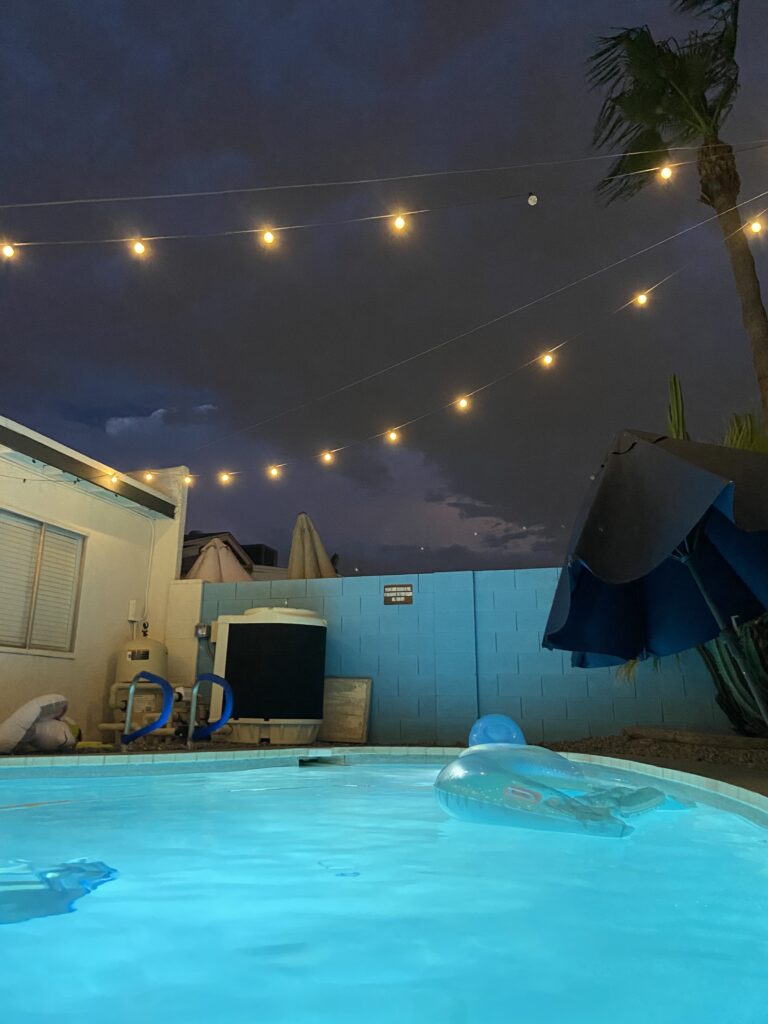
I am a dedicated person in all aspects. I am a dedicated student, athlete, friend, and wife. I am currently in Valparaiso University’s Nursing Program to one day become a nurse who makes an impact in the field. I want to be there for patients in their most vulnerable times, especially throughout their hardships.
Currently, I am a Pharmacy Technician and have been one for the last 6 years. In 2019, I started working at a pharmacy in Walgreens and have worked my way up ever since. I am now an inpatient Pharmacy Technician and make IVS, Chemotherapeutic Medicine, fill medicine in machines, and so much more! Hopefully one day I can apply my love and knowledge of the Pharmacy field into the Nursing field!
Want to get in touch? My email is Alexia.Rodriguez@valpo.edu.
Remembering 09/11 Across America
These next few posts will be a bout how Americans remember September 11, 2001 through national and local memorials. These memorials shape a collective of memory, grief and connections for new generations.
September 11, 2001 is remembered as one of the most painful days in American History. Even for people who were not alive yet or were too young to understand what was happening, the images, stories, and emotions of that day continue to shape the national memory of it
This is why memorials matter so much. They show and give us physical places where we can slow down and reflect on the the lives that were lost. They turn history into something you can see and touch instead of something that only lives in textbooks or new clips.
Memorials can also play a huge role in how people cope with shared trauma of the day. After days like 9/11, people can find themselves struggling to make sense of what happened. Visiting a memorial, whether in a big city like New York, or a small town far far away, creates that space to proceed grief.
These spaces also help connect generations to come. Many teens and college students today were born after 2001, so their understanding (and mine) of 9/11 often come from stories rather than personal memories. Memorials allow us to engage with the past in a much deeper way and I believe this makes history feel more real and human. When a parent brings a child to a memorial or when schools take field trips to these spaces, it can become a moment of teaching as much as remembering.
9/11 memorials show us that memory does not just belong to one place. Even though New York, Washington, D.C. and Pennsylvania were the most directly affected, people across the country felt the loss. That is why having these memorials appear everywhere. They show the way the entire nation came together and how they kept the memory of that day alive for everyone!
Visiting The National September 11 Memorial in New York City
The National September 11 Memorial in New York City is one of the most powerful places of remembrance in the United States. It stands where the Twin Towers once stood above the skyline, the memorial transforms a place of destruction into a space for healing and reflection. The two massive reflecting pools mark the footprints of the towers and the sound of rushing water replaces the chaos of that morning with something calm and steady. It is impossible to stand by the pools and not feel the weight of history.
One of the most popular features is the bronze panels surrounding the pools. They are engraved with the names of nearly 3,000 people killed on 9/11 as well as those who died in the 1993 World Trade bombing. Visitors often stop to trace the letters with their fingers or leave flowers and small flags tucked inside the names. Even simple gestures like this show how deeply people still feel connected to the individuals memorialized here.
Another powerful symbol is the Survivor Tree, a pear tree that somehow lived through the collapse of the towers. After being rescued and nursed back to health, it was replanted on the memorial site. Today it stands as a living reminder of resilience and renewal. Many visitors say that seeing the tree gives them a sense of hope in a place otherwise marked by loss.
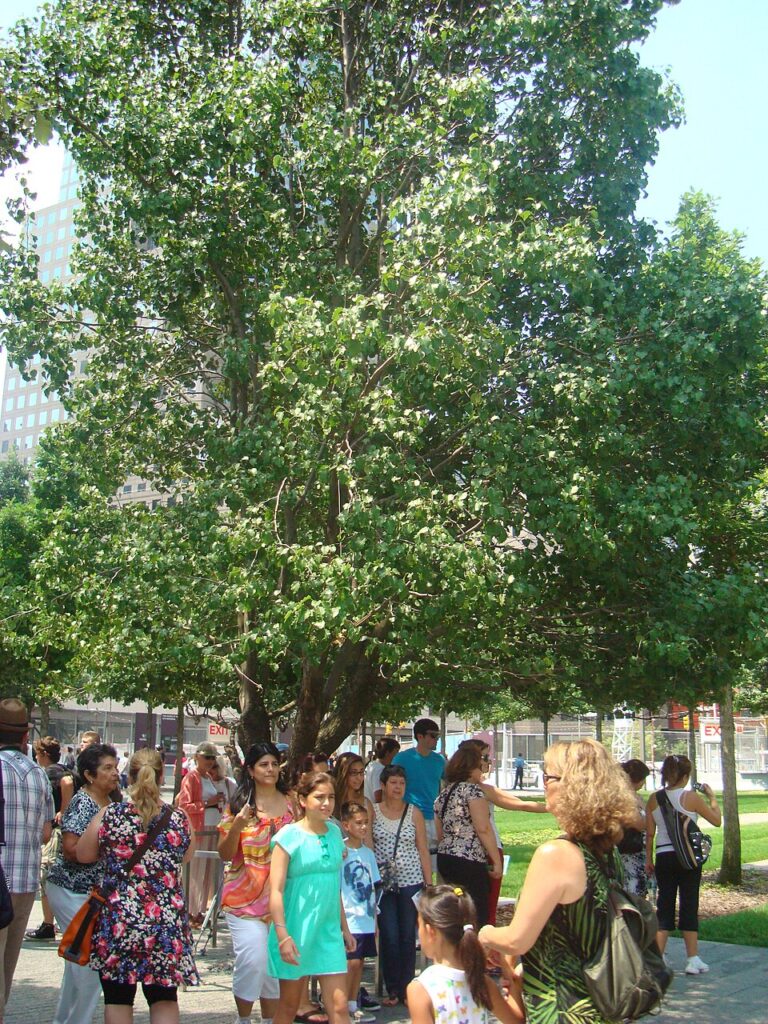
Survivor Tree 🌳 in New York City.
What makes the New York memorial especially meaningful and special is how it connects personal stories to national memory. People from all over the world visit, many of them bringing their own memories or emotions. Others come to learn. Even if you weren’t alive in 2001, the design of the memorial makes the history feel real.
Remembrance Across the Country: Local Memorials and Collective Memory.
While New York is the most well-known, 9/11 remembrance reaches far beyond Ground Zero. All across the United States, communities have built their own memorials. Some large and professionally designed, and some smaller but just as heartfelt! These local memorials show that the memory of 9/11 is truly national and not limited to the places directly attacked.
Many towns have memorials built from steel beams recovered from the World Trade Center. Fire stations, community parks, and town squares often display these pieces as reminders of the firefighters, police officers and first responders who lost their lives. Seeing an actual exam from the towers in a small Midwestern city is a powerful example of how deeply the events of 9/11 affected people everywhere.
Other memorials use fountains, sculptures or engraved stones to honor victims and first responders. Some include the names of local residents who died that day. Others host annual ceremonies every September 11, bringing people together to reflect and remember! Even though these memorials are smaller than the one in New York, they play an important role in keeping memory with each community.
The nationwide network of memorials inspired the visualization included on this blog. An interactive map highlighting major and local 9/11 memorials across the country. Each point includes an image, a short description, an opening date, and even a visitor quote. The map shows how remembrance is not just tied to one city, it spreads across the whole nation. Whether you are in New York or thousands of miles away, there is likely a place near you where people gather to honor and reflect on that day.
Interactive Maps: 9/11 Across America 🇺🇸
- National September 11 Memorial and Museum: New York, NY.
Coordinates: 40.7115° N, 74.0134° W
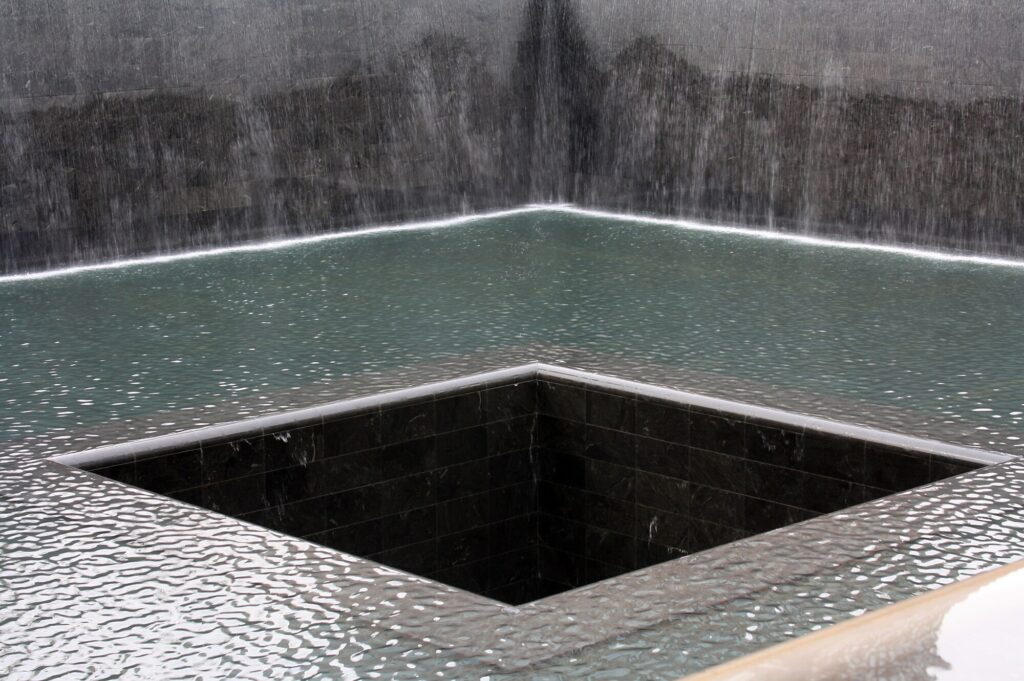
Reflecting Pool+ Pear Survivor Tree (Shown in previous paragraph)
Opening: Memorial (2011), Museum (2014).
Located at the World Trade Center site, the National 9/11 Memorial honors the nearly 3,000 people who died on September 11, 2001. Its two massive reflecting pools sit where the Twin Towers once stood, surrounded by engraved names of victims.
2. The Pentagon Memorial: Arlington, VA.
Coordinates: 38.8709° N, 77.0563° W.

Pentagon Memorial Benches.
Opening: 2008
The Pentagon Memorial consists of 184 illuminated benches arranged by age along sweeping lines of gravel and water. Each bench represents a victim of the Pentagon attack, oriented to show whether the person was inside the building or on Flight 77.
3. Naperville 9/11 Memorial: Naperville, IL.
Coordinates: 41.7713° N, 88.1490° W
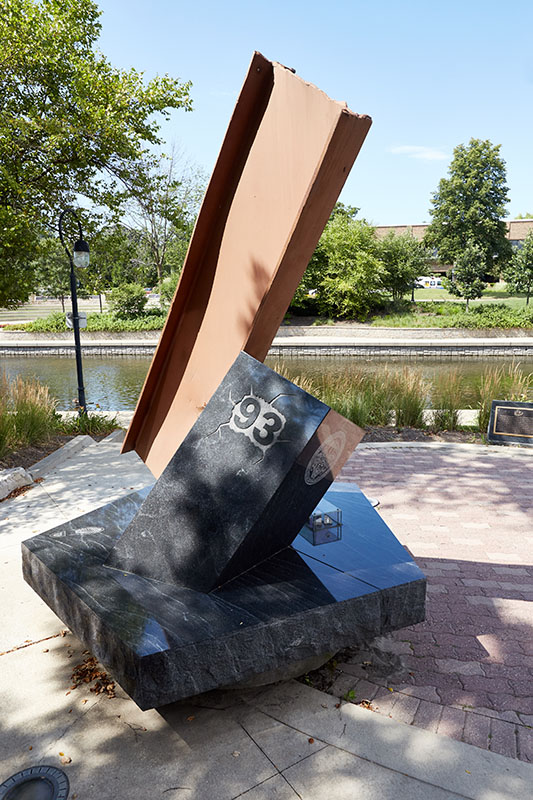
Steel Beam & Pillars
Opening: 2011
This memorial features a 100 pound piece of World Trade Center steel, two tall columns representing the Twin Towers and a sculpture symbolizing life and loss. Naperville’s community raised funds to create this!
My Aspirations After Nursing School 🩺
After graduating and becoming a nurse, I want to work in the ICU for a year or two at the hospital I work at. I really want to gain the knowledge, and then hopefully move to Arizona, where I feel like my heart belongs. I will still be working as a nurse, but I would love to go back to school and become a Family Nurse Practitioner one day. I have big goals in life and I am motivated to hit those goals.
I do hope one day to raise amazing children one day with my husband and be a dedicated mother.
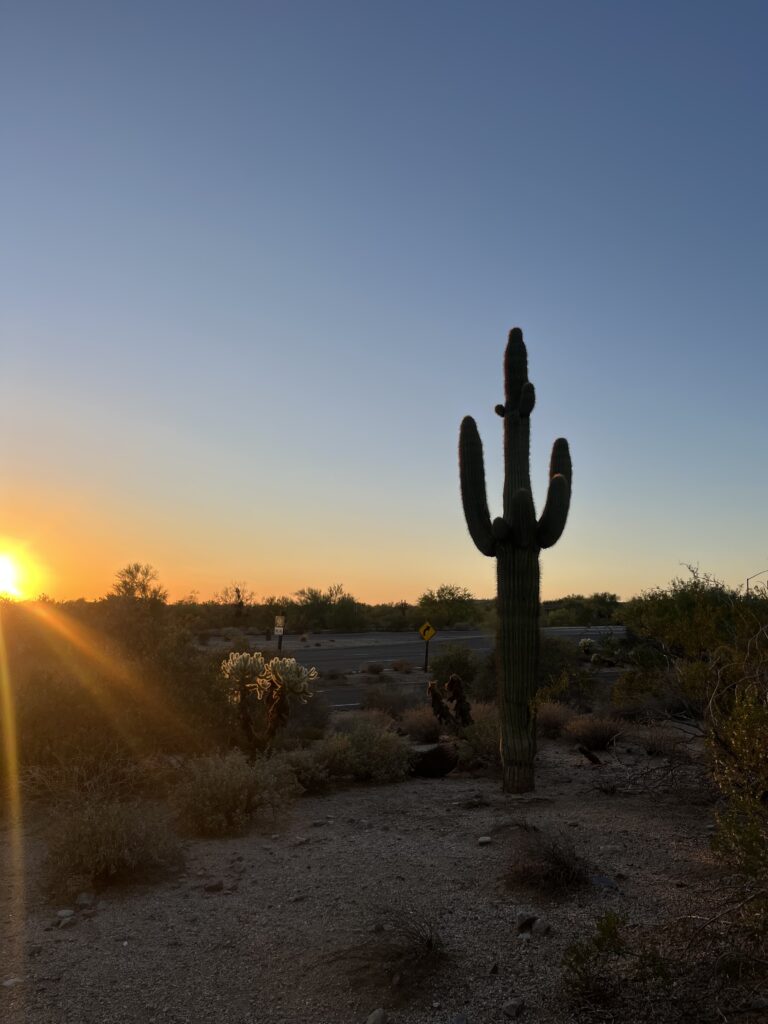
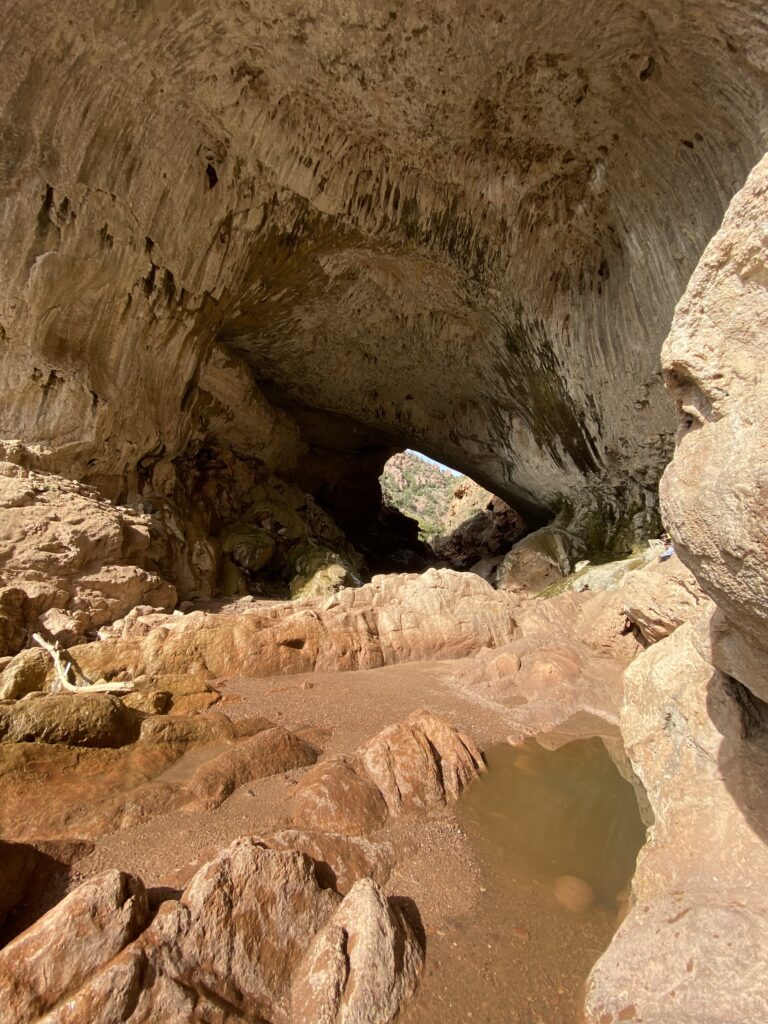
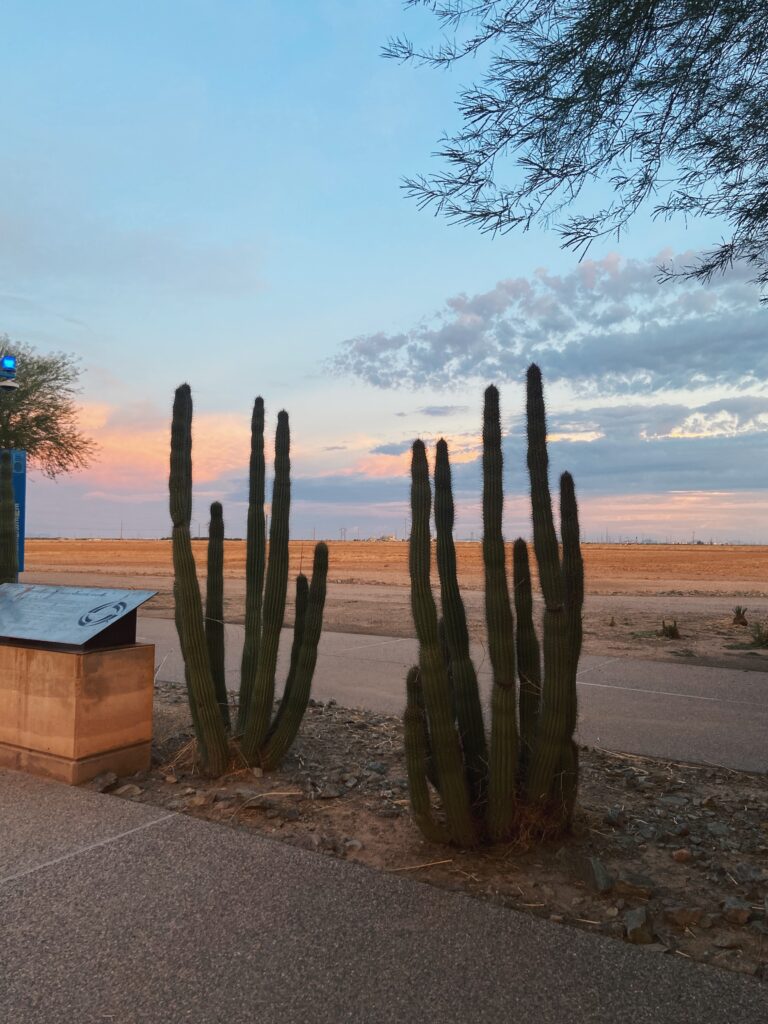
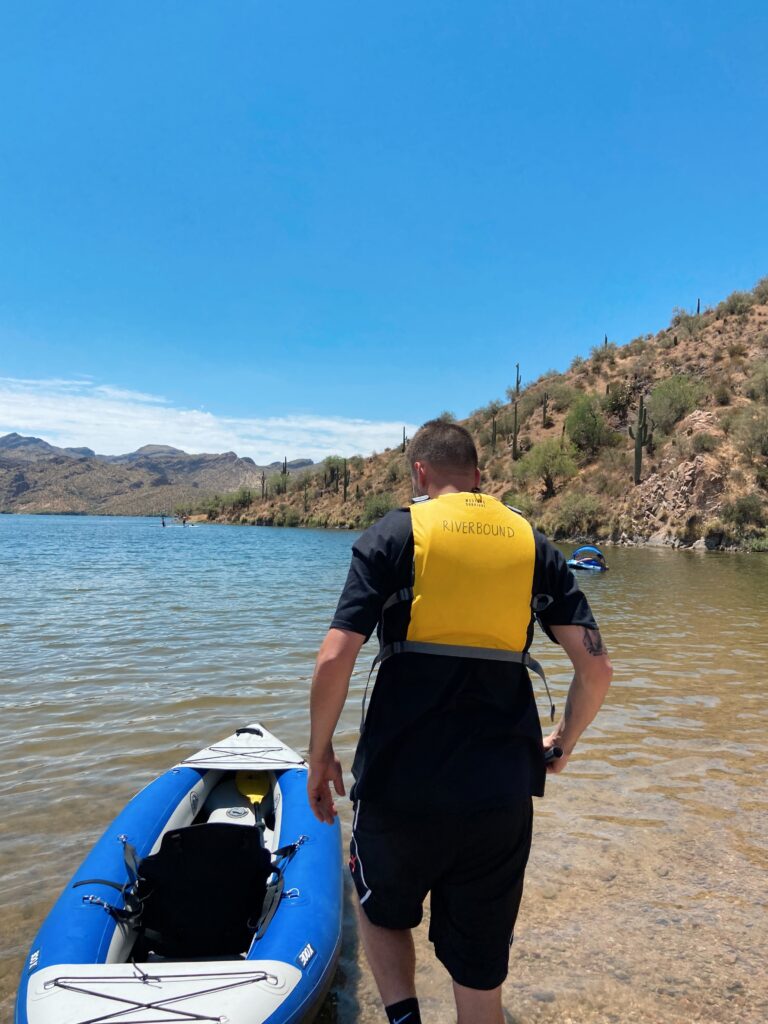
I love nature and the sun, and I have visited Arizona numerous times and can confidently say that is where I want to grow old. Below are some cool pictures of Arizona!