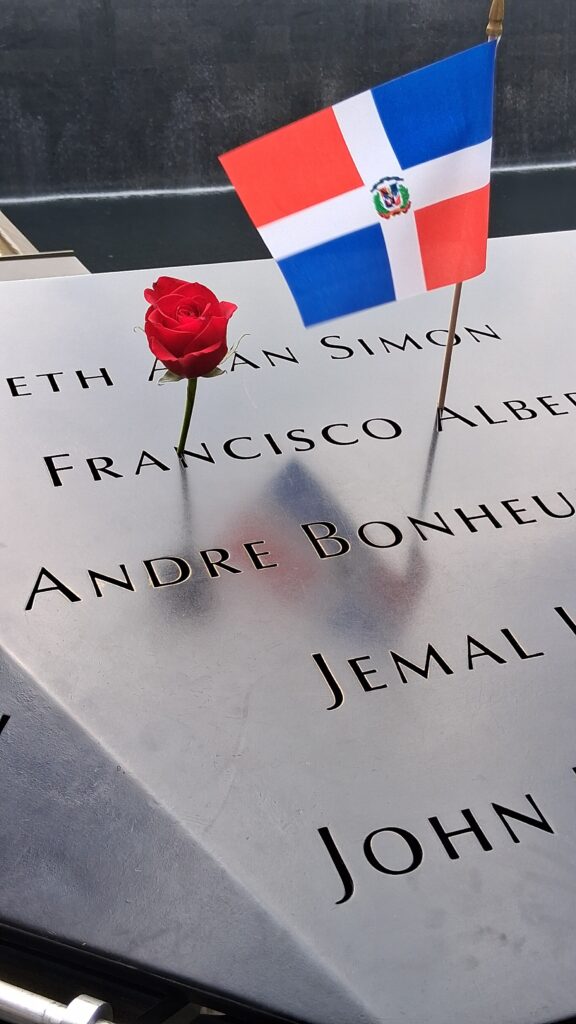
These next few posts will be a bout how Americans remember September 11, 2001 through national and local memorials. These memorials shape a collective of memory, grief and connections for new generations.
September 11, 2001 is remembered as one of the most painful days in American History. Even for people who were not alive yet or were too young to understand what was happening, the images, stories, and emotions of that day continue to shape the national memory of it.
This is why memorials matter so much. They show and give us physical places where we can slow down and reflect on the the lives that were lost. They turn history into something you can see and touch instead of something that only lives in textbooks or new clips.
Memorials can also play a huge role in how people cope with shared trauma of the day. After days like 9/11, people can find themselves struggling to make sense of what happened. Visiting a memorial, whether in a big city like New York, or a small town far far away, creates that space to proceed grief.
These spaces also help connect generations to come. Many teens and college students today were born after 2001, so their understanding (and mine) of 9/11 often come from stories rather than personal memories. Memorials allow us to engage with the past in a much deeper way and I believe this makes history feel more real and human. When a parent brings a child to a memorial or when schools take field trips to these spaces, it can become a moment of teaching as much as remembering.
9/11 memorials show us that memory does not just belong to one place. Even though New York, Washington, D.C. and Pennsylvania were the most directly affected, people across the country felt the loss. That is why having these memorials appear everywhere. They show the way the entire nation came together and how they kept the memory of that day alive for everyone!
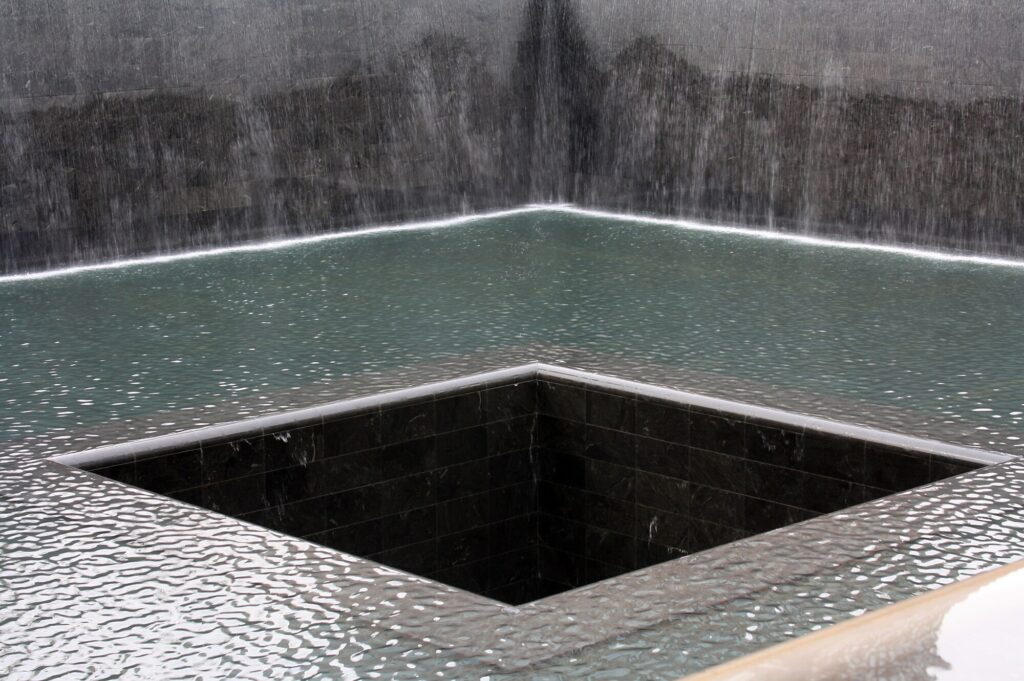
National 9/11 Memorial Pool